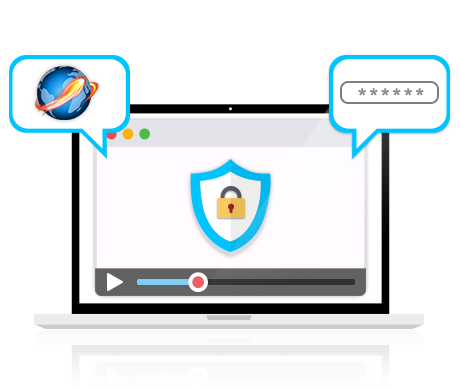
Content creators and distributors work harder than ever to safeguard their valuable video content from unauthorized consumption and sharing. The video drm protection is a comprehensive security solution that controls how digital content is accessed, watched, and shared on various platforms and devices. It prevents unauthorized access to protected content while maintaining the quality and user experience required by consumers.
The environment for consuming digital media has shifted profoundly, and web streaming and internet video websites are increasingly becoming the primary delivery platforms. Exponentially increasing with this shift is the need for secure protection systems. Having an understanding of the basic principles of digital rights management provides content owners with the knowledge required to make a feasible choice of which methodology is best suited to their specific protection requirements.
Evaluating Multi-Platform Capability
Consumers increasingly view video across an array of devices and platforms, including smartphones and tablets, smart TVs and consoles. The optimal protection solution must be able to function harmoniously across the entire ecosystem without imposing burdens on legitimate consumers. Cross-platform support allows protected content to reach the widest possible audience base without reducing security levels.
In assessing compatibility, balance current platform requirements and upcoming growth plans. The digital landscape continuously evolves with fresh operating systems and gadgets showing up on the market from time to time.
Assessing Security Resilience and Encryption Levels
The inherent purpose of any protection scheme is that it locks out unauthorized access and dissemination. Modern video DRM protection employs sophisticated encryption schemes and security elements which make content nearly impenetrable for decrypting without permission. These systems utilize industry-established encryption algorithms that have been tested and shown to resist countless attack vectors.
Security strength also includes protection from encryption keys and the key infrastructure generally. Secure systems implement advanced rotation techniques for keys and have secure delivery protocols that bar access even when individual elements are breached. Such a multi-layered approach provides end-to-end security throughout the whole content delivery infrastructure.
Evaluating User Experience and Access Features
Effective protection needs to enhance, rather than impede, the valid consumer experience. Ideal systems should work silently behind the scenes so consumers continue to view content uninterrupted or with complicated authentication. Seamless integration with dominant media players and content delivery networks guarantees protection doesn’t affect playback performance or streaming quality.
Accessibility is also addressed, as security measures must be simple to use by users with diverse needs and technical abilities. Such assistance is reflected in the use of assistive technologies, multiple languages, and easy-to-use authentication processes that do not bar any segment of the target population. Universal design ensures security measures that are not inhibitive but promote content accessibility.
Scalability and performance demands are examined.
Content delivery networks must adjust to various levels of demand, from handfuls of viewers to millions of simultaneous viewers. The protection solution implemented must scale well enough to accommodate such demands without compromising on security or performance. Scalable systems adjust the utilization of resources automatically depending on current usage patterns and projected growth.
Performance optimization includes optimized content delivery techniques that help use minimum bandwidth and deliver high-quality play.
Knowledge of Integration Capabilities and Technical Requirements
Deployment is greatly determined by the level of integration of the defence mechanism into current content delivery and management infrastructures. New solutions also come with extensive APIs and development kits that facilitate easy integration into different content management systems, video-sharing communities, and custom applications. This is comforting to organizations as it can help them deploy protective shields without necessarily reengineering their current processes.
Technical requirements need to be supportive of in-house skills and bases. Some systems require high-level technical sophistication to install and maintain, while others offer screen-friendly interfaces by which non-technical individuals are able to have effective control over protection settings. Foreknowledge of requirements avoids the problem of implementation delays and the peak system usage level.
Assessing Cost Structures and Business Models
Protection solutions differ in cost structures, ranging from monthly fixed fees to monthly flat rates and revenue-sharing models. Knowing the cost structures informs organizations in selecting solutions that correlate to their business models along with their fiscal constraints. Compare both the short-term cost of implementation and the long-term cost of operation.
The total cost of ownership goes beyond licensing expenses to encompass implementation, training, and maintenance costs. Products vary in requiring a large initial payment with less frequent recurring payments, while others support upfront costs with more frequent recurring payments. Using the total cost composition over the course of the system permits greater apples-to-apples comparison of options available.
Accounting for Compliance and Regulatory Considerations
Different geographies and industries have compliance requirements that protection systems will have to meet. Distributors of content will have to be sure their chosen solution meets applicable regulations as well as performs suitably. This applies particularly to firms that operate in many jurisdictions whose regulatory requirements differ.
Industry standards and certifications also enforce compliance. Many content producers and distributors need to meet some standards of security in order to work with strategic distribution partners or qualify as candidates for particular kinds of content licensing agreements. Ensure that the solution selected is up to the standards avoids future issues and ensures business continuity.
Planning for Future Growth and Technology Changes
The cyber media environment keeps changing at a very fast pace, and emerging technologies and customs emerge from time to time. Effective security measures have to look forward and be future-proofed so that they can adjust to evolving future demands without the need for total system revamps. This vision protects existing investments without being ineffective while technology keeps changing.
Conclusion
The choice of the right protection tools requires a delicate balance between security strength, platform compatibility, user-friendliness, and expense. The choice must be compatible with some organisational requirements and permit growth and adaptability. Exceeding expectations relies on mass protection being married to simplicity of use and operation flexibility.
To companies that want secure video DRM protection solutions, providers such as doverunner provide end-to-end platforms that meet most of these essential considerations. The investment in premium protection technology has a payoff of content value preserved, assured licensing compliance, and enhanced viewer confidence in digital media consumption experiences’ security.
